
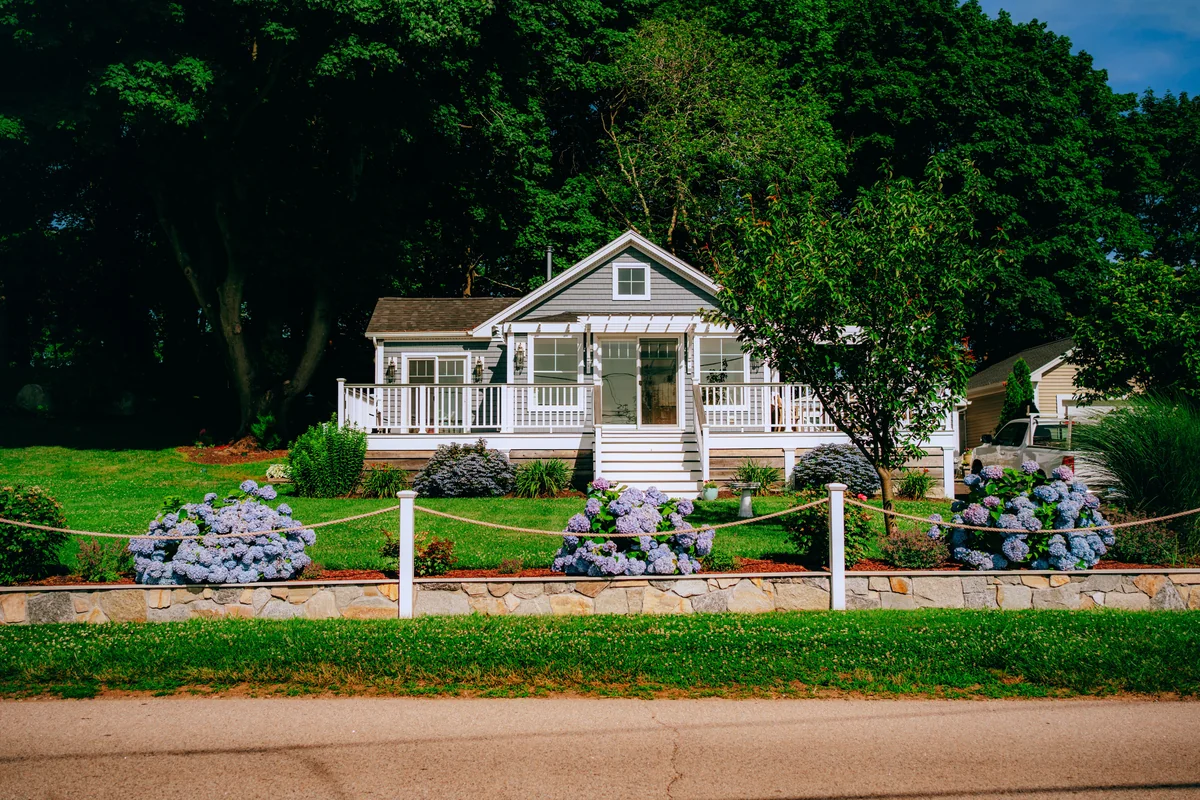
Begin with a complete rural property snapshot
Describe the residence, acreage, surrounding vegetation, road access, water sources, and nearby structures. Include barns, workshops, guest houses, storage buildings, and any structure used for a business. A homeowners application built around only the main dwelling can miss a substantial part of a rural property. Provide an aerial image or site sketch when useful, but verify important distances rather than guessing.
Explain how the land is used. A family garden, personal horses, commercial livestock operation, equipment repair business, and paid recreational access present different questions. Do not assume that an activity is automatically covered because it takes place at home. The producer may need to evaluate a homeowners, farm, dwelling, commercial, or combined insurance arrangement based on the actual use.
If a prior insurer declined the property, obtain the stated reason when available. “Too rural” may conceal a specific issue involving fire protection, access, brush, occupancy, or structures. A more precise explanation helps focus the next submission. It also helps distinguish an insurer’s underwriting preference from a correctable information error or a physical condition that needs attention.
When several parcels or buildings are involved, identify which ones are part of the requested placement. A residence on one parcel and a workshop on an adjacent parcel may require a more careful description than a single street address. Include ownership differences, leased land, and structures used by others. The application should reflect the property as it exists today, with planned changes described separately.
Understand the South Carolina wildfire concern
The South Carolina Forestry Commission describes the wildland-urban interface as the area where development meets wild land. Homes can have this exposure even when they are part of a subdivision rather than an isolated farm. A house beside a wooded parcel may need a vegetation and access review although its mailing address sounds suburban. County labels alone do not capture the conditions immediately around the building.
The Commission emphasizes prevention, homeowner responsibility, and safe outdoor burning. For insurance shopping, this means documenting the property’s actual condition and any completed mitigation. Do not present a general community program or a nearby fire station as proof that a specific home meets an insurer’s standards. Ask what the insurer needs to evaluate the address.
Avoid relying on national wildfire maps or another state’s insurance rules as a substitute for South Carolina information. A risk score may be one underwriting input, but the producer should explain the information used and whether corrections are possible. This guide does not assign a risk rating or predict a fire. It identifies the property facts and coverage questions worth reviewing.
Check fire, smoke, and temporary living protection
Ask whether the proposed policy covers fire and smoke damage and whether any wildfire-specific exclusion, limitation, or condition applies. Surplus insurance is a market category, not a guarantee of broader fire protection. Obtain the forms that answer the question. If the insurer imposes a vegetation condition or inspection requirement, understand what must be completed and documented.
Review the dwelling limit and settlement basis along with debris removal and any code-related coverage. Rural rebuilding can involve access, utilities, specialized structures, or materials that a generic estimate may not capture. A low property purchase price does not necessarily indicate a low rebuilding cost. Describe the home accurately and ask how the reconstruction estimate was developed.
Additional living expense needs its own review. Damage to the home, evacuation, loss of utilities, and restrictions on access may be treated differently. Do not assume every expense after a nearby fire is reimbursable. Ask about the trigger, dollar limit, time limit, and documentation requirements. If the property is rented, loss-of-rents coverage is a separate question from an owner’s living expenses.
Document emergency access and fire protection accurately
A producer may ask about road width, gates, bridges, driveway length, turning space, hydrants, or fire department response information. Give reliable information and identify anything you do not know. A rural address can have different access conditions from the street frontage suggested by an online map. Photographs and a clear description can help explain the route to the building.
Do not claim that a pond, pool, or private well qualifies as an accepted firefighting water supply without confirmation. The insurer and relevant professionals may require specific characteristics or arrangements. Likewise, the presence of a volunteer fire department does not automatically establish an underwriting classification. Ask the producer which information is needed and how it will be verified.
If access problems can be corrected, discuss the work with qualified professionals and the appropriate authorities. Keep documentation of completed improvements. Insurance eligibility or a discount should not be promised merely because work is planned. Ask whether an insurer will reconsider after the changes and what evidence it requires, then make the decision with that uncertainty clearly understood.
Make mitigation practical and document completed work
Use the Forestry Commission’s prevention resources as a starting point for reducing exposure around a home. Review combustible materials near structures, accumulated debris, vegetation, and safe access. For tree work or changes that affect utilities, structures, or protected areas, use appropriate professionals and check applicable requirements. Insurance shopping should not lead a homeowner into unsafe clearing or unapproved work.
Take before-and-after photographs and retain invoices or professional recommendations. Tell the producer what was completed, when it was completed, and whether ongoing maintenance is needed. “Brush cleared” is more useful when the submission describes the actual work and includes evidence. Do not turn an estimate or future appointment into a statement that mitigation is already complete.
Ask about insurer-specific expectations before assuming a particular change produces coverage or a lower price. An insurer can evaluate several factors at once, so improving vegetation alone may not resolve an occupancy, roof, or access issue. The practical benefit of mitigation can still matter even without an insurance discount. Keep the safety purpose and the underwriting decision distinct.
Give outbuildings and equipment their own review
Other-structures coverage in a homeowners policy may not be sufficient for every barn, workshop, detached garage, or guest building. The use of each structure matters. List its construction, size, contents, and activity. Ask whether the policy covers it automatically, requires a scheduled limit, or excludes the use. A structure’s distance from the home does not settle those questions.
Tractors, trailers, tools, business stock, livestock, and stored fuel need specific discussion. Personal-property coverage should not be assumed to insure every item found on residential land. A machine used only for maintaining the property may present a different question from equipment used for paid work. Describe both ownership and use so the producer can determine what additional review is needed.
Liability can be equally important. Paid access, animal-related activities, a home business, or employees may require coverage beyond a standard personal liability provision. An umbrella also needs coordination with the underlying policies and exclusions. Do not assume a higher liability limit eliminates an excluded activity. Request the appropriate coverage explanation for the property’s real use.
Explain seasonal occupancy and time away
A rural cabin or second home may be unoccupied for extended periods even when it remains furnished and actively used. Tell the producer how often someone stays there, who checks it, and whether utilities remain on. Insurers may distinguish seasonal use, unoccupancy, and vacancy under their forms. Do not choose whichever label sounds most favorable without explaining the facts.
If the property is being renovated, describe the work, the contractor’s role, and whether anyone lives there during construction. A policy intended for an occupied residence may not be the right arrangement for a substantial renovation or prolonged vacancy. Coverage for theft, vandalism, water, or other losses can change under specific conditions, so request the applicable provisions.
Fire prevention also depends on property management while the owner is away. Arrange safe, appropriate inspections and maintenance rather than relying on insurance alone. Keep records of significant changes and notify the producer if the use changes. The second-home guide and vacancy and renovation guide cover these occupancy questions in greater detail.
Keep outdoor burning and emergency planning separate from insurance
Before any outdoor burning, check the Forestry Commission’s current guidance, applicable notifications, burn bans, and local restrictions. Requirements can depend on location and current conditions. A homeowner should not treat an insurance article or last season’s practice as authorization to burn. When conditions are uncertain, use the responsible public authority’s current instructions.
Keep an emergency plan that accounts for household members, animals, access routes, and communication. Follow official evacuation directions and do not stay behind to protect buildings when doing so is unsafe. A policy review cannot replace fire prevention or emergency response. Store policy records and an inventory where they remain accessible if the property cannot be reached.
After a fire, contact the insurer and follow safety instructions before entering damaged structures. Photograph damage only when safe, retain receipts, and ask about temporary protective work. Separate the facts of the damage from assumptions about coverage. A written claim record helps the insurer evaluate the loss and gives the homeowner a clearer basis for asking questions about any payment or denial.
Compare available options using the whole property
When quotes arrive, compare the named insured, occupancy, covered buildings, limits, fire terms, liability scope, deductibles, and inspection conditions. Add the cost of any separate coverage needed for outbuildings, equipment, flood, or activities. A proposal insuring only the residence should not be compared as though it covers an entire mixed-use acreage property.
If the available option is surplus lines, review the issuing insurer and the applicable nonadmitted-insurance disclosures, not just the distributor’s brand. Ask who is responsible for placement and claim assistance. Surplus availability can be useful for a difficult property, but it does not remove the need to understand exclusions and financial responsibility.
Prioritize a complete, accurate submission and clear answers over promises of instant acceptance. There may be more than one way to structure coverage, and some conditions may need to be addressed first. Use the quote comparison guide to document the tradeoffs and leave enough time for inspections or follow-up questions before the current policy expires.
A useful comparison also identifies who handles each part of a mixed-use property. If one policy covers the residence and another covers a business activity, ask whether the named insureds and locations are coordinated. Do not assume two policies fill every gap merely because both mention the address. An excluded structure or activity should remain an explicit question until the responsible professional explains the arrangement.
Frequently asked questions
Is wildfire a concern only in western states?
No. The South Carolina Forestry Commission addresses wildfire prevention and the wildland-urban interface throughout the state. The relevant insurance question is the condition and use of the particular property, including vegetation and access. A rural or wooded setting should receive a careful review without assuming that every such home has the same risk.
Does surplus insurance always cover wildfire?
No automatic conclusion follows from surplus status. Read the fire coverage, exclusions, endorsements, and any mitigation conditions in the actual proposal. Ask whether wildfire or smoke has different treatment. An eligible surplus insurer may offer an option for a difficult property, but the issued policy determines the protection.
Will clearing brush guarantee a lower premium?
No. Mitigation can reduce exposure, but an insurer may consider many factors and require particular documentation. Ask what work is relevant to the underwriting review and record completed improvements accurately. Do not spend money based solely on a promised insurance outcome that has not been confirmed by the responsible insurer.
Are barns and workshops included with the house?
They need their own review. Coverage can depend on use, construction, location, limits, and exclusions. A building used for business or agricultural operations may require different protection from a personal storage shed. List every structure and explain the activities and property inside it when requesting a quote.
Does a private pond count as a fire protection water source?
Do not assume that it does for underwriting purposes. The insurer may require particular information or arrangements, and practical firefighting use requires appropriate professional evaluation. Describe the pond accurately and ask what the insurer accepts. A nearby body of water alone does not establish an insurance classification or guarantee emergency access.
Can I insure a rural cabin that is empty much of the year?
A review may be possible, but the exact occupancy and use must be disclosed. Seasonal use, unoccupancy, and vacancy can have different policy meanings. Explain how often someone stays, who checks the building, rental activity, and renovations. The producer can then evaluate appropriate available products and any conditions.
Sources and further reading
Read the underlying guidance and your actual policy together. Source dates and scope matter; the policy and applicable law control.
- South Carolina Forestry Commission: fire prevention
- South Carolina Department of Insurance: homeowners insurance
Prepared for South Carolina Surplus. How we prepare these guides.