
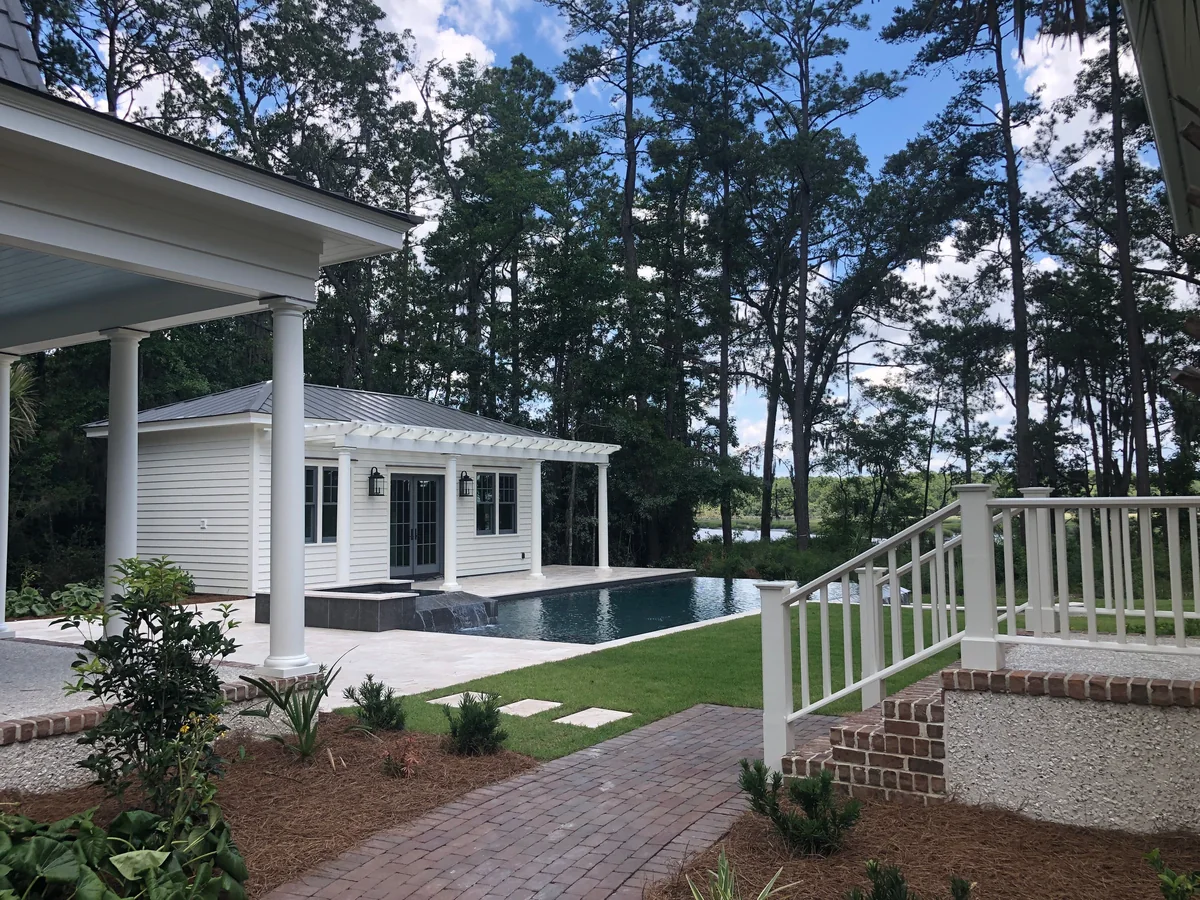
Describe the home’s real occupancy pattern
Start by explaining how often you use the property and the longest periods you expect it to be empty. Tell the agent whether it remains furnished, whether utilities stay on, and who checks the home between visits. If relatives use it independently, explain that arrangement too. A property can be a second home without being occupied every week, but insurers may have different eligibility rules.
Distinguish personal use from rental activity. Letting friends visit without payment is not necessarily treated the same as advertising paid stays. If you expect to rent the property occasionally, disclose the plan while shopping. Ask whether the proposed policy permits that use and whether an endorsement or a different product is required.
Be precise about location and access. A South Carolina island home, a cottage reached by a steep road and a house near a lake each raise different practical questions. Provide the actual address, construction details and requested photographs rather than relying on a broad regional description.
If you are buying the property, tell the agent when ownership transfers and when you plan to begin using it. A closing date, renovation period and first occupancy date may not be the same. The quote should reflect the property’s condition and use from the coverage effective date.
Evaluate rebuilding cost and special features
A second home’s insurance limit should be reviewed against rebuilding needs, not selected only to match its market value or mortgage balance. Land value, scenery and location can influence the sales price without representing the cost of the insured building. Conversely, difficult access or specialized construction may increase the cost of repairs.
Describe raised foundations, porches, decks, detached structures and custom finishes. A coastal home may have elevated living space and structures below it that require separate attention. Ask which components are included in the dwelling estimate and how other structures are insured. A dock, seawall or boat lift should not be assumed covered merely because it sits on the same parcel.
Review replacement cost and actual cash value provisions for both the building and roof. Ask whether any settlement schedule, age limitation or special deductible applies. If a quote uses a lower limit than another, determine whether the estimates use different assumptions before accepting the cheaper proposal.
Older vacation cottages may also have wiring, plumbing or heating systems that affect eligibility. Gather documentation of updates and keep dates accurate. If you are unsure when a roof was installed, say so and ask what evidence the insurer will accept. An unsupported estimate can create problems later.
Protect the home between visits
Long periods away make early detection of damage especially valuable. Ask about inspection expectations, water shutoff practices, monitored alarms and other protective measures relevant to the policy. Record who is responsible for checking the property and how that person will reach you after finding a problem. The arrangement should be workable during an ordinary week as well as before a storm.
Water leaks deserve particular attention in a furnished home that may sit quiet for weeks. Review coverage for sudden water damage, repeated leakage, water backup and mold-related loss separately. These terms can involve different exclusions and sublimits. A leak detector or automatic shutoff device may help reduce damage, but do not assume it changes the policy unless the insurer confirms the effect.
Maintain heating and other utilities as appropriate for the building and season. Ask the agent about policy conditions relevant to freezing, vacancy or unoccupancy. Do not apply a rule from your primary-home policy automatically to the second home. Definitions and obligations can differ.
Keep an updated inventory and photographs in a location you can access away from the property. Store maintenance receipts and inspection records with the policy. These records support accurate underwriting and can help explain the condition of the home if a covered loss occurs.
Review personal property and liability
A second home can contain substantial furnishings even when nobody lives there full time. Inventory furniture, appliances, clothing, tools, outdoor equipment and valuables kept at the property. Ask which items are covered under the second-home policy and which, if any, may be covered elsewhere. Avoid assuming that your primary-home contents coverage solves every gap.
Check settlement terms and special limits for selected property. Replacement cost on the building does not automatically mean replacement cost on belongings. Jewelry, art, sporting equipment and other categories may need separate review. Keep the discussion specific to what you actually own rather than selecting a contents limit as an unexplained percentage.
Liability coverage should address the premises and intended use. Describe pools, docks, fireplaces, recreational equipment and visitors’ access to the property. Ask about exclusions involving boats or motorized vehicles rather than assuming every activity at a vacation home falls under personal liability.
If an umbrella policy is part of your protection, make sure its insurer knows about the second home and underlying coverage. Ownership in a trust or LLC can add another coordination issue. Supply the relevant ownership details and ask how the policies fit together. A higher limit helps only when the underlying coverage arrangement is appropriate.
Separate wind damage from flood exposure
South Carolina’s coast makes wind and flood coordination particularly important, but inland homes also deserve a flood review. Wind damage to a roof and rising water entering a building are different causes of loss. Ask whether wind is included in the property policy and what separate coverage is needed for flood.
A property within the South Carolina Wind and Hail Underwriting Association’s eligible territory may be considered for its wind and hail coverage, subject to its rules. An address-based check is more reliable than assuming an entire coastal county qualifies. The Association’s policy should be reviewed with the remaining property coverage so excluded perils are not overlooked.
For flood, compare the building and contents limits and applicable settlement provisions. Ask how occupancy affects the proposed flood policy and whether the owner’s use of the home matters to any replacement cost provision. Do not assume a vacation home receives the same claim settlement treatment as a primary residence under every form.
Review deductibles in dollars where possible. Percentage wind deductibles can produce a meaningful expense after a loss, and separate policies can involve separate deductibles. The coastal hurricane guide provides additional questions for coordinating wind, flood and the main property policy.
Consider what happens when the home cannot be used
Ask what the policy provides if covered damage makes the second home uninhabitable. Additional living expense provisions are designed around stated conditions and do not automatically reimburse every lost vacation or inconvenience. If you still have a primary residence, the facts and wording matter. Ask the agent to explain how the provision applies to your situation.
Travel expenses, canceled reservations and the cost of changing holiday plans should not be assumed covered by property insurance. If you rent the home to guests, potential lost rental income introduces another question. Coverage for rental income generally depends on its own trigger and limits, and rental use must be acceptable to the insurer.
Hypothetical example: a covered fire damages a lake cottage before a family holiday. Repairing the building and reimbursing a hotel stay are separate questions. The existence of a covered building loss does not establish that every related travel cost is payable. Review the actual living-expense terms before relying on them.
Also ask about debris removal, ordinance or law coverage, and costs associated with complying with current building requirements after an insured loss. These provisions can have separate limits or conditions. A rebuilding estimate and a policy review work together; neither should be treated as a substitute for the other.
Coordinate closing, ownership and renovations
When purchasing a second home, involve the insurance professional early enough to review lender requirements and underwriting conditions. The lender may request particular coverage, deductibles, insurer information or separate flood evidence. Supply those written requirements rather than assuming any paid policy will be accepted for closing.
Confirm the correct ownership and mortgagee information. A trust, jointly owned family property or LLC requires careful attention to the names and interests insured. Ask about how the policy handles changes in ownership rather than assuming a policy can simply remain in a seller’s name or be transferred informally.
If work is planned before you move in, describe it while obtaining quotes. Cosmetic decorating differs from structural renovation, a roof replacement or an addition. A vacant property under construction may need coverage designed for that stage. Review the vacancy and renovation guide before work starts.
Do not cancel existing coverage or assume a new policy is bound based on an application alone. Obtain written confirmation of the effective date and any conditions. For a purchase, coordinate that date with the closing professional and insurer. If closing changes, notify the agent promptly so the insurance arrangements can be reviewed.
Choose a policy you can maintain and understand
Compare second-home quotes using consistent property facts and limits. Note differences in roof settlement, water exclusions, wind, flood, contents, liability and living-expense provisions. Add required separate policies and all disclosed charges to the overall cost. A lower premium can be useful, but only when you understand the tradeoffs.
If standard options are limited, ask whether a surplus lines insurer can consider the risk. Surplus coverage is not a single standardized product. Review the specific insurer and forms, inspection requirements, cancellation provisions and any minimum earned premium. Keep an affordable deductible reserve in mind when choosing among proposals.
At renewal, report changes in occupancy, rentals, ownership and property condition. Provide documentation of completed improvements and review any new endorsements. If you begin spending most of the year at the property, tell the agent; its classification may need to change. The policy should follow the facts as your use evolves.
A manageable next step is to gather the current declarations, recent photographs, roof and system records, and your expected use calendar. With those materials, an insurance review can focus on suitable options and specific gaps rather than starting over with assumptions about what a vacation home means.
Frequently asked questions
Is a second home automatically considered vacant?
No. The applicable policy definitions and facts control. A furnished home used periodically can differ from an empty building awaiting sale or renovation. Explain the actual occupancy, furnishings and supervision to the insurer. Ask how it defines vacancy and unoccupancy and what conditions apply during periods when nobody is staying there.
Can I rent the home for a few weekends?
Ask before accepting bookings. Some policies may allow a defined rental arrangement, while others require an endorsement or different product. Describe whether the whole home or a room is rented, how often, and through which channels. Permission should be confirmed from the policy and insurer, not assumed from the small number of bookings.
Does my primary-home policy protect my vacation house?
Do not assume it provides complete protection. Certain personal property or liability provisions may extend in limited ways, but the second building usually needs its own appropriate coverage review. Ask the agent to compare both policies and identify overlaps and gaps. Ownership, occupancy and rental activity can affect the answer.
Do South Carolina lake homes need flood insurance?
A lake address merits a flood discussion, and properties away from lakes can flood too. Review the property’s exposure, lender requirements and available flood coverage. A map category does not promise that flooding cannot happen. The main property policy and a flood policy should be assessed separately for their actual covered causes of loss.
Can insurance pay for a missed vacation after damage?
Not automatically. Building repairs, additional living expenses and travel cancellation costs are separate matters. Any payment depends on the policy’s coverage trigger, conditions and limits. Explain the proposed use to the agent and ask how a loss would affect your situation. Do not treat an additional living expense limit as general vacation reimbursement.
What information helps when standard insurers decline?
Provide accurate occupancy details, maintenance records, roof documentation, prior loss information and clear photographs. Explain improvements and who checks the home when you are away. These facts can help an agent approach suitable markets, including surplus options where appropriate. They do not guarantee acceptance, but they support a more useful underwriting review.
Sources and further reading
Read the underlying guidance and your actual policy together. Source dates and scope matter; the policy and applicable law control.
- South Carolina Department of Insurance: Homeowners Insurance
- South Carolina Department of Insurance: Types of Coverage in a Homeowner’s Insurance Policy
- South Carolina Department of Insurance: Additional Homeowner’s Insurance Coverages
- South Carolina Wind and Hail Underwriting Association: Questions and Answers
- FloodSmart: The National Flood Insurance Program
Prepared for South Carolina Surplus. How we prepare these guides.