
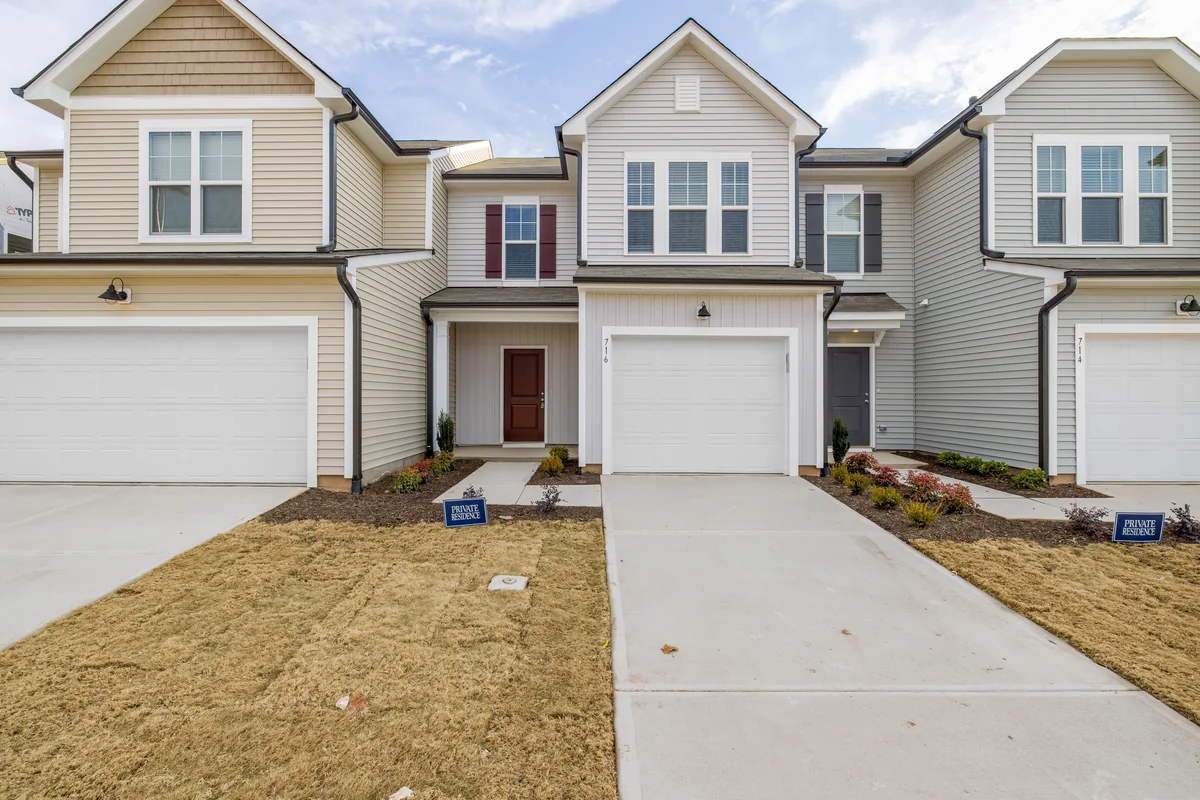
Describe how the rental actually operates
Tell the agent whether the property is a single-family home, duplex, condominium, manufactured home or another type of residence. Explain who owns it, how many households occupy it, and whether leases run for a year, a few months or individual nights. A home occupied by relatives still needs an accurate description of the arrangement. An occasional owner visit does not automatically make the property an owner-occupied home.
For a South Carolina coastal rental, describe seasonal use and any periods when the property is empty. For an inland rental, mention detached garages, workshops, outbuildings, pools, woodstoves and any business conducted on the premises. A separate structure that a tenant uses commercially may need different treatment from a shed storing a lawnmower.
Identify the people and entities that need to appear on the policy. If an LLC owns the house, do not assume a policy issued only in your personal name protects the entity. Supply the deeded ownership, property management agreement and lender requirements. Ask the agent to explain each named insured or additional insured designation rather than adding names without a purpose.
A complete description can prevent a quote from being based on the wrong occupancy. Update the insurer before changing from a long-term lease to vacation stays or beginning substantial renovations.
Separate the building from the tenant’s belongings
Landlord property coverage generally focuses on the insured building and any owner-owned property included by the contract. It is not a substitute for the tenant’s renters insurance. Furniture you provide, appliances you own, maintenance equipment and other items may need a stated personal property limit. A fully furnished rental deserves more attention than an unfurnished house with only a refrigerator and range.
Ask whether the dwelling is insured for replacement cost, actual cash value or another settlement basis. These terms can affect the amount payable after a covered loss. A replacement cost estimate is different from the purchase price, tax assessment or loan balance. Coastal construction requirements, access constraints and specialized materials may also affect rebuilding costs, but the estimate should be property-specific.
Check coverage for detached structures. A separate cottage is not necessarily treated like a garage, especially if someone lives there. A guesthouse used for rental income should be disclosed as an occupied structure rather than included casually in an outbuilding estimate.
Review the covered causes of loss and exclusions alongside the dollar limits. A high building limit does not create coverage for a peril that the policy excludes. Ask for the forms and endorsements that establish the coverage, not only the quote summary.
Understand rental income protection
A covered building loss can interrupt rent while repairs take place. Some landlord policies provide fair rental value, loss of rents or business income coverage, but the names do not guarantee identical protection. Read the trigger, amount, time limit and any waiting period. Ask whether the provision requires physical damage from a covered cause of loss at the insured property.
Rent a tenant does not pay is a different problem from rent lost because a covered fire makes the home uninhabitable. A standard loss-of-rents provision should not be assumed to insure tenant default, eviction expenses or a weak rental season. Likewise, a reservation cancellation following an evacuation order may not fit a property-damage coverage trigger.
Use a realistic rental income figure when obtaining a quote. Include an explanation of seasonal variations if summer rent differs from winter rent. Keep leases, rental ledgers and occupancy records so the basis of an income claim can be documented. Ask how continuing expenses and expenses that stop during repairs are treated.
Hypothetical example: a covered kitchen fire displaces a tenant while repairs take place. The building claim and rental income claim may involve different limits and documentation. Confirm both before a loss instead of treating income coverage as an automatic part of the dwelling limit.
Review premises liability and rental activities
Property insurance and liability insurance answer different questions. Building coverage concerns insured physical damage. Liability coverage concerns specified claims against an insured person or entity. Ask whether the landlord quote includes premises liability, which locations and insureds it covers, and whether defense costs affect the available limit.
Disclose pools, trampolines, docks, pets you keep at the property, and any unusual amenities. A dock on a South Carolina lake or tidal creek raises questions beyond the house itself. The structure, guest access and water-related activities may each require separate review. Do not assume a detached-structures limit automatically answers every liability concern.
If a property manager handles maintenance or tenant placement, ask how the insurance responsibilities in that contract interact with your policy. The manager’s insurance does not necessarily replace the owner’s protection. Request current documentation through the appropriate business channel and have the agent review any additional insured requirements.
Consider how an umbrella or excess policy works with rental properties. The underlying rental liability policy, ownership name and property schedule should agree. An umbrella should not be presented as a repair for every exclusion in the landlord policy. Ask the agent to identify underlying requirements and any rental, business or entity restrictions in the actual contract.
Coordinate coastal wind and separate flood coverage
South Carolina rental properties can face overlapping but distinct storm exposures. Wind-driven damage, rising water and storm surge should not be treated as one coverage category. Start by asking whether wind and hail are included in the property policy. If excluded, determine what separate policy would address that gap and how the policies will work together.
The South Carolina Wind and Hail Underwriting Association serves an eligible coastal territory. An address-based eligibility check matters; the name of a county or a broad description such as near the beach is not enough. Its role is wind and hail coverage, not an automatic replacement for every protection in a landlord policy. Review the Association’s current forms and placement requirements with the agent.
Flood insurance also deserves a separate discussion. Ask about building coverage, owner-owned contents, deductibles and the treatment of rental income. A flood policy should not be assumed to match the income protection in a landlord policy. Private flood and National Flood Insurance Program options can differ, so compare the applicable contract rather than relying on the shared word flood.
For more detail, review the South Carolina coastal hurricane guide. Keep a written list of which policy handles each exposure and where a gap remains.
Manage turnover, vacancy and renovations
Rental homes change condition between tenants. A short cleaning period, an extended vacancy, and a major renovation are different underwriting situations. Review the policy’s definitions and any conditions involving vacancy or unoccupancy. Do not rely on an assumed universal number of days; the wording and consequences can vary by contract and coverage.
Tell the agent when a tenant leaves if the next occupancy date is uncertain. Describe inspection arrangements, utility status, winterization if relevant, security and planned work. A neighbor occasionally driving past the property may not meet an insurer’s inspection or protective-device requirement. Keep records of maintenance visits and repairs.
Projects involving structural work, roof replacement, electrical systems or substantial interior demolition may need a different insurance arrangement. Ask whether the existing policy remains appropriate during construction and whether a renovation or builders risk policy is needed. Contractors’ insurance addresses their responsibilities; it does not automatically insure the owner’s entire building project.
A change in use can also occur gradually. If a long-term tenant moves out and you begin advertising weekend stays, tell the agent before accepting bookings. The short-term rental guide explains additional questions. Clear advance communication is usually more useful than trying to explain a changed occupancy after damage occurs.
Compare standard and surplus rental quotes
An older roof, prior losses, coastal exposure, unconventional construction or multiple rental units may narrow the available markets. A surplus lines quote can be worth reviewing when standard options are limited. It still requires a careful comparison of the insurer, coverage forms, deductible structure and financial obligations.
Put competing quotes on the same basis. Compare building limits, settlement provisions, wind coverage, water damage restrictions, theft conditions, liability and rental income. Identify whether a premium difference comes from a changed risk assessment or from less coverage. A quote that excludes wind is not directly comparable to one that includes it.
Ask for all charges and cancellation terms in writing. Review minimum earned premium provisions, inspection requirements and any conditions that must be satisfied after binding. If the insurer expects roof work or photographs, establish the deadline and who will confirm acceptance. Do not assume payment alone resolves every outstanding underwriting condition.
Use the quote comparison guide to organize the review. If the property is financed, provide the proposed coverage to the lender or servicer early. A policy that suits your budget still needs to satisfy the lender’s specific insurance requirements.
Build a useful submission and annual review
A strong rental submission starts with accurate information rather than a perfect-looking description. Gather the current declarations, property address, ownership names, lease type, roof age and repair documentation. List prior losses accurately, including repairs and measures taken to reduce the chance of recurrence. Provide clear exterior photographs when requested.
Add the details that distinguish this property: tenant count, number of units, supplied furnishings, inspection arrangements, amenities, occupancy gaps and management responsibilities. If a mortgage is involved, include the correct mortgagee information and any written requirements. Avoid sending sensitive tenant information unless the insurer specifically needs it through a suitable process.
At renewal, check whether rents, rebuilding costs, ownership, property condition or use have changed. Verify that completed improvements are reflected in the underwriting information. Review new endorsements instead of assuming a renewal is identical to the expiring policy. Ask for clarification on changes before the current term ends.
You do not need to resolve every insurance term alone. A practical next step is to request a review with the facts above and ask for a written explanation of the remaining gaps. Coverage can only be confirmed through the insurer’s terms and binding process, but an organized application makes the discussion clearer.
Frequently asked questions
Can I keep ordinary homeowners insurance after moving a tenant in?
Do not assume the existing policy remains suitable. Tell the insurer or agent about the change before the rental begins and request written confirmation of the correct coverage. The issue is the actual occupancy and policy terms, not simply whether you still own the home. A landlord or dwelling policy may be more appropriate, depending on the arrangement.
Does landlord insurance cover my tenant’s possessions?
It generally should not be treated as insurance for the tenant’s belongings. Your policy may include selected owner-owned furnishings or equipment, subject to limits and exclusions. Encourage tenants to review renters coverage for their personal property and liability needs. The lease and the insurance policies perform different roles and should be reviewed separately.
Will loss of rent coverage pay when a tenant stops paying?
A property policy’s loss-of-rents provision commonly depends on a covered physical loss or another stated trigger. Tenant default by itself may fall outside that coverage. Ask for the exact trigger, time limit and exclusions. Do not count on a rental income limit until you understand the circumstances in which it applies.
Can a rental owned by an LLC use surplus insurance?
Possibly, subject to the insurer’s eligibility and underwriting. Give the agent the legal ownership and explain all rental activities. The named insured structure must reflect the risk accurately. An individual policy, an LLC-owned building and a personal umbrella may not align automatically, so review them together rather than assuming the entity is protected.
Is separate wind insurance required for every coastal rental?
There is no single policy arrangement that fits every coastal home. Some property policies include wind, while others exclude it or apply special terms. Review the actual address and policy. The SC Wind and Hail Underwriting Association has an eligible territory and its own requirements; its existence does not make every property eligible.
What should I send when requesting a rental-property quote?
Start with the address, ownership, current declarations, rental term, occupancy, roof details, prior claims and lender requirements. Explain amenities, vacancies and renovations. Include accurate rental income information if you want income coverage reviewed. Ask which additional documents are needed and use a secure method for sensitive information rather than sending complete tenant records unnecessarily.
Sources and further reading
Read the underlying guidance and your actual policy together. Source dates and scope matter; the policy and applicable law control.
- South Carolina Department of Insurance: Homeowners Insurance
- South Carolina Department of Insurance: Types of Coverage in a Homeowner’s Insurance Policy
- South Carolina Department of Insurance: Additional Homeowner’s Insurance Coverages
- South Carolina Wind and Hail Underwriting Association: Questions and Answers
- FloodSmart: The National Flood Insurance Program
Prepared for South Carolina Surplus. How we prepare these guides.