
Start with a coverage map for the property
Write down the property address, owner, occupancy, building limit, and mortgage information before comparing premiums. Then list the protections offered by each proposed contract. A homeowners policy that includes wind is a different arrangement from a homeowners policy excluding wind paired with a separate wind policy. Neither arrangement automatically includes rising-water flood coverage. Ask the producer to identify the actual policy forms and endorsements that establish these differences.
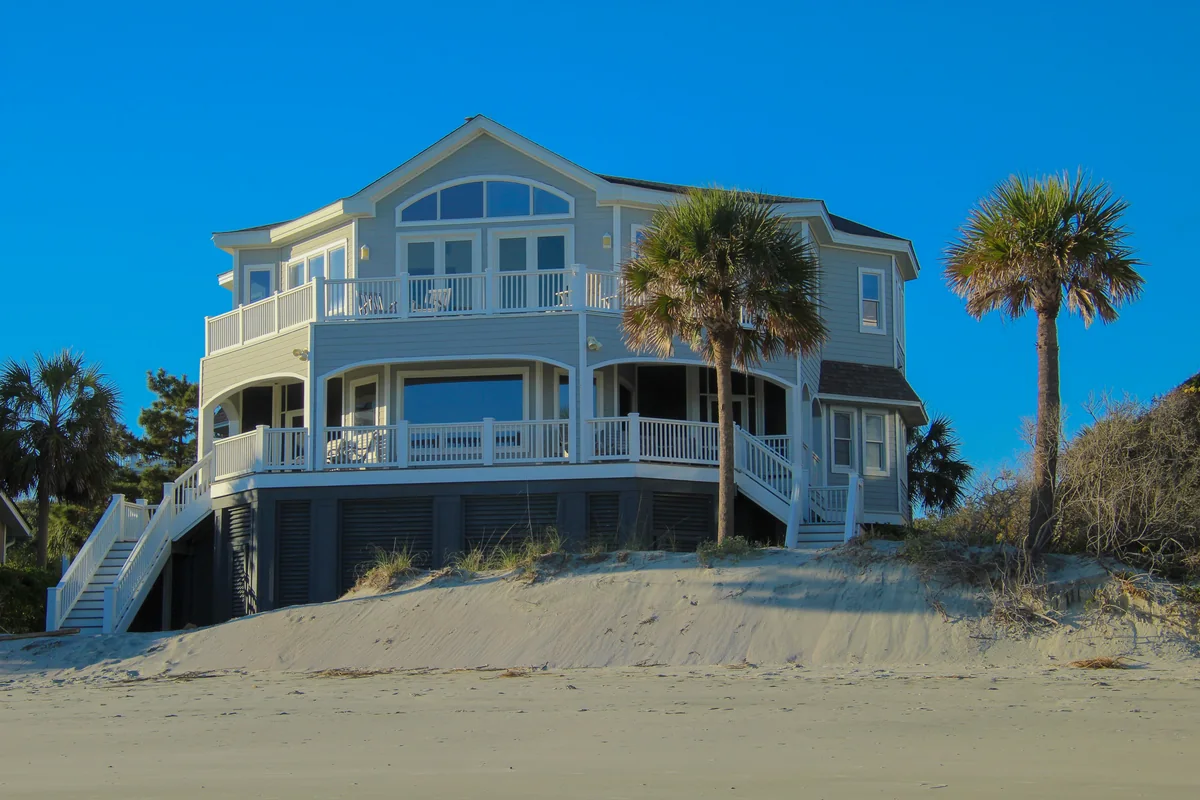
For a Lowcountry raised house, the review should also include the enclosed space below the elevated living floor, outdoor equipment, stairs, decks, detached buildings, and personal belongings. Describe these features accurately rather than assuming everything beneath one roof has the same coverage. A dwelling limit can look adequate while an important structure has a separate limit or exclusion.
The same exercise helps inland owners. South Carolina Emergency Management Division explains that hurricane impacts can reach every county. A Midlands or Upstate location does not make wind, falling trees, or heavy-rain flooding irrelevant. The exposure may differ from a barrier-island home, but the need to distinguish insured causes remains. Keep the completed coverage map with your application and ask for corrections before binding.
Separate wind damage from flood and surge
Wind, wind-driven rain, storm surge, and river flooding can occur during the same named storm. Insurance contracts often treat them differently. Wind coverage may address damage caused by wind subject to its exclusions and conditions. A rain limitation may depend on whether a covered peril first created an opening. Rising water and storm surge require a separate flood review. The name of the hurricane does not combine these coverages into one promise.
A hypothetical coastal claim illustrates the issue: wind damages part of a roof while surge enters the lower enclosure. The homeowner may need to notify more than one insurer and provide evidence about different damage. The insurers determine coverage under their own contracts; a website cannot assign the whole loss to one policy simply because the damage occurred on the same day. Preserve photographs, receipts, and the timing of observed conditions when it is safe.
Ask how water exclusions, concurrent causes, and ensuing-loss wording work in the proposed forms. Also ask about sewer backup, which is not interchangeable with flood protection. A useful explanation identifies the relevant endorsement and its limit. For a broader comparison of these hazards, review the South Carolina flood and earthquake guide.
Compare private coverage with a coordinated wind pool arrangement
The South Carolina Wind and Hail Underwriting Association, often called the wind pool, provides wind and hail coverage within its eligible coastal territory, subject to its rules and policy terms. It is not a statewide substitute for a complete homeowners package. Use the Association’s address eligibility tool and have the producer confirm the result. A postal city, county name, or distance guessed from a map is not an eligibility decision.
Private admitted or surplus insurers may offer different combinations of wind, property, liability, and additional living expense coverage for a particular home. Availability depends on the application and the insurer’s underwriting. Comparing a private combined policy with a wind pool arrangement requires adding the costs and coverage of all necessary pieces. A low price for only one piece is not a fair comparison with a more comprehensive package.
Ask which insurer handles each claim, whether the effective dates align, and how payment and renewal work for each policy. Verify waiting periods and binding restrictions before relying on a requested date. The Association’s current manual and application requirements control. Our wind pool and alternatives guide explains the role of this option without assuming it is always the least expensive choice.
Translate every deductible into a usable dollar budget
Coastal proposals may use an all-other-perils deductible and a separate wind, named-storm, or hurricane deductible. These labels are not necessarily interchangeable. Read the trigger definition, the basis for the percentage, and whether the deductible applies per occurrence or in another way. Ask whether building and contents have separate deductible treatment. Do not rely on a summary that says only “storm deductible.”
For a hypothetical example, a deductible of two percent of a $500,000 dwelling limit would equal $10,000 if that is the basis specified by the contract. This illustration is arithmetic, not a statement of the deductible offered for your property. A percentage of the insured value is very different from a percentage of the damage. Have the producer show the calculation for every quote using the actual proposed limit.
Consider the household’s ability to pay several obligations at once: an applicable property deductible, a flood deductible, temporary housing expenses that are not reimbursable, and repairs excluded by the contracts. A larger deductible may reduce premium, but it also changes your retained risk. Keep a written comparison of premium and realistic cash exposure so the decision is understandable before a storm.
Give underwriting the coastal details that matter
Prepare clear photos, roof information, construction details, occupancy, elevation information if available, and the property’s loss history. Describe shutters, impact-rated openings, roof attachment work, and other improvements accurately. A contractor invoice, permit, inspection, or recognized evaluation may be more useful than an unsupported statement that the home is hurricane resistant. Ask what documentation the particular insurer accepts before paying for an inspection solely for insurance purposes.
Include rental use, even when the home is mostly occupied by the owner. Occasional vacation rental bookings can change the exposure and the appropriate product. Tell the producer about a property manager, guests, pools, docks, elevators, and any separate guest accommodation. These are underwriting facts rather than small details to address after a claim.
For a home recently purchased or renovated, distinguish completed work from planned work. A quote based on a finished roof should not be accepted as if the roof were already installed. Have any inspection conditions, repair deadlines, and required follow-up documents explained in writing. Accuracy gives the placement a stronger foundation and reduces the chance of discovering an unresolved condition shortly after closing.
Review rebuilding costs and the less visible limits
The amount needed to rebuild a coastal property can differ substantially from its purchase price. Land value is not the same thing as rebuilding cost, and a mortgage balance is not a substitute for a reconstruction estimate. Discuss the materials, square footage, foundation, elevation, access, custom finishes, and other details used in the estimate. Ask how debris removal and code-related rebuilding costs are treated.
Check the limit and trigger for additional living expense or loss of rents. A family displaced by a covered loss has different needs from an owner who loses rental income. Evacuation, loss of utility service, damage to neighboring property, and damage to your own home may be treated differently. An evacuation order alone should not be assumed to trigger every reimbursement provision.
Review special items separately. Docks, seawalls, pools, landscaping, collectibles, and business equipment may have limits, exclusions, or a need for separate coverage. Do not interpret an attractive home photograph or a broad marketing phrase as evidence that these features are insured. Write down the features most important to you and ask the producer to locate their treatment in the actual quote documents.
Coordinate effective dates, closing, and renewal
Send the full proposed insurance arrangement to the lender early. A lender may need evidence that wind and flood requirements are met in addition to the main property policy. Provide the correct named insured, property address, mortgagee information, effective date, limits, and deductible details. Ask whether the lender has reviewed separate policies as a complete arrangement. A producer’s willingness to quote does not establish the lender’s acceptance.
Do not cancel existing coverage because a new application was submitted or a payment link arrived. Obtain written confirmation of the accepted placement and its effective date from the authorized party. Where several policies are involved, confirm each one. A pending flood application and a bound homeowners policy do not establish that flood coverage is in effect.
At renewal, compare the entire set again. Limits, deductibles, forms, and occupancy can change. Review insurer communications promptly and keep your producer’s contact information current, especially if mail normally goes to another residence. The mortgage and escrow guide provides a practical checklist for communicating with the lender and servicer.
Use one worksheet for a multi-policy decision
Write the proposed homeowners, wind, and flood policies in separate columns. Under each, record the issuing company, insured property, covered causes, limits, deductible, settlement method, and effective date. Add a row for additional living expense or lost rents, and another for exclusions that matter to the home. This makes overlapping or missing responsibilities easier to see than reviewing three separate premium emails.
Add the annual cost of all required pieces, including disclosed taxes and fees where applicable. Record whether payments are escrowed, paid directly, or financed. Different payment arrangements can affect the household’s cash flow even when total annual cost is similar. Confirm who receives each renewal invoice and who is responsible for making payment.
Finally, list unanswered questions beneath the worksheet and identify the person responsible for answering them. For example, the lender handles acceptance of its insurance requirements, while the producer obtains clarification of offered forms from the insurer. Do not erase an unresolved item because another part of the package looks attractive. The worksheet is complete when the owner can identify both the protection purchased and the expenses still retained.
Keep the insurance plan usable when a storm approaches
Create a secure electronic copy of policy declarations, endorsements, contact details, a home inventory, and recent photographs. Record each insurer’s claim contact from the policy documents. Keep copies accessible away from the property. A single folder with clearly labeled homeowners, wind, and flood documents can save confusion when power or internet service is disrupted.
Before a storm, follow official emergency instructions and protect people first. Do not delay evacuation to document possessions. Arrange property checks or protective work only when safe and permitted. Insurance questions should be resolved well before a forecast makes coverage urgent, because insurers and programs may restrict new binding or require waiting periods.
After damage, notify the potentially involved insurers promptly, follow reasonable instructions to prevent additional damage, and preserve records of temporary repairs. Avoid disposing of damaged property before documenting it and obtaining claim guidance when practicable. A contractor can describe damage and estimate repairs, but coverage decisions remain with the insurer under the contract. Keep a written timeline of every claim communication and retain copies of estimates and receipts.
Frequently asked questions
Does South Carolina homeowners insurance automatically cover hurricanes?
No single label answers that question. A hurricane can produce wind, rain, surge, and inland flooding. Read the policy’s wind coverage, water exclusions, deductible triggers, and endorsements. Flood usually requires a separate review. Ask your producer to explain which policy would respond to each type of damage at the property.
Is the South Carolina wind pool available throughout the state?
No. The Association operates within an eligible coastal territory. Use its current address eligibility tool and confirm the application requirements with the placing producer. A home’s county or mailing city alone is insufficient to establish eligibility. The wind pool also does not replace all the other protections of a homeowners policy.
Can a surplus policy include coastal wind coverage?
Some surplus proposals may include wind; others exclude it or impose special terms. Availability is property specific. Request the actual wind endorsement, deductible, and settlement wording rather than assuming all surplus policies offer the same protection. Compare the complete arrangement with any admitted or wind pool alternatives available for your home.
Does an elevated home still need a flood review?
Yes. Elevation does not eliminate all flood exposure or establish the scope of insurance. Lower enclosures, equipment, contents, access, and lender requirements need attention. Describe the construction and use accurately. A flood quote should identify the insured building, covered property, limits, deductibles, and any limitations that apply below elevated living areas.
Can I wait until a hurricane is forecast to buy coverage?
Do not plan on immediate availability. Waiting periods and temporary binding restrictions may apply depending on the product and circumstances. A submitted application is not proof of active coverage. Start the review early and obtain written confirmation of each policy’s effective date, including separate wind and flood policies when used.
What should I send for a coastal coverage review?
Start with the current declarations and endorsements, renewal notice, property address, occupancy, roof age, known losses, and available inspection or elevation records. Identify pools, docks, rental use, and renovations. Send sensitive documents through the agency’s confirmed secure process, and avoid putting personal identifiers or financial details into an initial email.
Sources and further reading
Read the underlying guidance and your actual policy together. Source dates and scope matter; the policy and applicable law control.
- South Carolina Wind and Hail Underwriting Association: questions and answers
- SC Wind address eligibility tool
- South Carolina Emergency Management Division: hurricanes
- South Carolina Department of Insurance: homeowners insurance
Prepared for South Carolina Surplus. How we prepare these guides.