
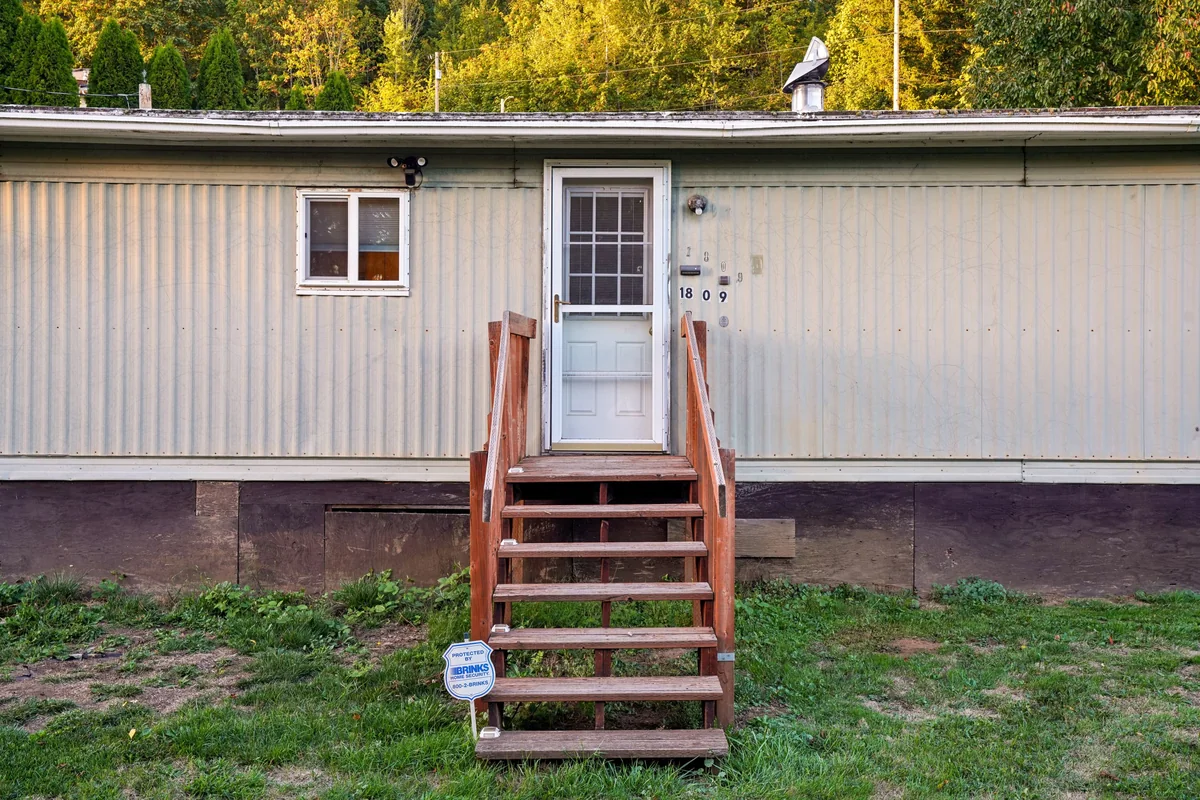
Identify the home accurately
Give the agent the manufacturer, model, year, size and identifying information available in your records. Explain whether the home is single-section or multisection and whether it has been moved since its original installation. If you do not know an answer, identify it as unknown and ask what documentation the insurer will accept.
The terms manufactured, mobile and modular are sometimes used loosely in conversation, but an insurer may classify the structures differently. Do not choose a label solely because it produces an easier online quote. Supply the construction documents and photographs so the insurer can evaluate the actual building type.
Describe the site as well as the home. Tell the agent whether you own the land, lease a lot in a community or place the home on a family member’s property. The party responsible for insuring the building may differ from the party responsible for shared facilities or the land. A community’s insurance should not be assumed to insure your home or belongings.
Explain occupancy: primary residence, second home, long-term rental, short-term rental or vacant property. A manufactured home used for paying guests needs that activity reviewed just as another dwelling would. The policy should reflect the real use, ownership and construction from the start.
Document installation and improvements
Insurers may request information about the foundation, anchoring, tie-downs, skirting and condition of the home. Provide installation records or inspection documentation when available. Do not state that the home meets a particular standard unless the records support that conclusion. An insurance inspection is not a substitute for any required building or installation inspection.
List additions such as porches, decks, carports, screened rooms and attached living areas. Explain how they connect to the home and whether permits or professional work records are available. An addition can affect rebuilding cost and storm exposure, and it may not be included automatically in a quote based only on the original home’s size.
Document roof work, plumbing updates, electrical repairs and heating-system changes. Accurate dates and invoices can help the underwriter understand the current condition. Cosmetic improvements do not necessarily establish that an older system has been replaced, so distinguish repainting or surface repair from substantive work.
If a storm or another event caused prior damage, describe the repairs and any remaining issues. Photographs before and after repair can be useful when requested. A thorough application should make the condition clear rather than conceal a defect that an inspection is likely to identify after coverage begins.
Compare settlement terms for the home and roof
Ask whether the proposed building coverage settles losses on a replacement cost, actual cash value, stated amount or another basis. These labels can involve conditions and should be explained using the actual contract. The amount shown on a quote is not enough to understand the payment after a covered loss.
Review the roof separately. Age, material, prior damage and repair history may affect eligibility or settlement. A policy can have a roof endorsement, scheduled payment provision or specific exclusion that changes the result. Ask whether wind and hail damage to the roof is covered and what deductible applies.
A replacement estimate should consider the insured structure and covered additions. Ask how removal of damaged property, site work and installation-related expenses are addressed. Do not assume that a quote based on the purchase price includes every cost associated with replacing a home at the site.
Hypothetical example: two quotes show the same building limit, but one applies depreciation to a covered roof loss while another uses different settlement terms. The premiums alone do not explain that difference. Request a side-by-side explanation and consider the out-of-pocket cost you could manage after a loss before choosing the cheaper option.
Review belongings, attached structures and liability
Inventory the contents of the home, including furniture, appliances, clothing and electronics. Ask whether personal property is insured at replacement cost or actual cash value and whether special limits apply to selected categories. The building’s settlement basis should not be assumed to apply automatically to everything inside.
Check how attached and detached structures are insured. A deck connected to the home, a separate storage building and a freestanding carport may be treated differently. List each structure and its use. If someone lives or operates a business in an outbuilding, that detail deserves specific underwriting review rather than being included as an ordinary shed.
Liability coverage should match the ownership and premises. Describe pets, pools, trampolines, woodstoves and other features the insurer asks about. If you lease a lot, review the community’s insurance requirements with the agent. Being named in a lease does not by itself establish that the policy has the necessary coverage or insured designation.
Ask about additional living expense coverage if a covered loss makes the home uninhabitable. Review its trigger, limit and duration. Temporary housing costs and the cost of replacing the home involve separate provisions. A policy comparison should consider both the immediate disruption and the longer repair or replacement process.
Separate wind and flood protection
South Carolina manufactured homes can be exposed to wind, hail and flood, with different policy responses for each. Ask whether wind and hail are included in the main policy and whether special deductibles or restrictions apply. Installation information and the home’s condition can be relevant to underwriting, but they do not by themselves establish coverage.
For a coastal address, an agent may review the South Carolina Wind and Hail Underwriting Association where appropriate. Its coverage is limited to its eligible territory and subject to its current rules and forms. Confirm eligibility for the particular home and occupancy rather than assuming that every manufactured home near the coast can be placed there.
Flood should be reviewed separately from wind. Ask about available building and contents coverage, deductibles and requirements related to the structure’s installation and location. A main home policy should not be assumed to cover storm surge or other rising water. The proposed flood policy’s terms need their own review.
Evaluate protection for property below elevated living areas or in outdoor storage. Different forms may limit coverage in certain spaces. Use the coastal hurricane guide to organize the storm discussion, and ask for an explanation of remaining gaps across the policies.
Address moving, vacancy and changing occupancy
A policy intended for a home at a fixed location should not be assumed to cover transport to another site. If the home will be moved, discuss the move with the agent before arrangements are finalized. Ask about transit, setup and when coverage at the new location begins. The transporter’s insurance may address different interests from the owner’s property coverage.
Tell the insurer about any period when the home will be empty. A furnished seasonal home, an empty home awaiting sale and a building under repair may have different eligibility and policy conditions. Review the definitions of vacancy and unoccupancy rather than relying on an assumed number of days.
If you change the home from personal use to a rental, disclose the arrangement before a tenant or guest moves in. Long-term and short-term rental activity can require different terms. A lease or booking listing does not amend the insurance policy. Review the landlord insurance guide for additional questions.
Substantial renovation also warrants advance review. Removing a roof, adding rooms or changing major systems can alter the risk. Ask whether the current policy remains suitable during the work or whether different coverage is needed. Update the insurer when the work is complete so the description and values remain accurate.
Compare admitted and surplus options carefully
An older home, prior claims, coastal exposure or an unusual installation can make shopping more difficult. A decline from one insurer does not establish that all insurers use the same criteria. The South Carolina Department of Insurance encourages consumers to compare available coverage and to seek other options when a company declines a risk.
If a surplus lines quote is proposed, ask why it fits the property and which terms differ from the other options. Review the insurer’s identity, policy forms, limits, exclusions, deductible structure and all disclosed charges. A surplus policy should not be described as automatically broader or narrower solely because of its market classification.
Compare proposals using the same home description, occupancy and values. Identify any roof exclusion, water damage restriction, theft limitation or wind exclusion. Add the cost of needed separate policies to the comparison. Ask about inspection requirements and what happens if the insurer requests repairs after binding.
If the home is financed, give the agent the lender’s written requirements. Coverage acceptable to you may still need review by the lender, including insurer and deductible requirements. The mortgage and escrow guide explains why early coordination can help avoid a last-minute insurance problem.
Prepare a practical application and maintenance record
Gather the current declarations, identifying information, ownership records, photographs and available installation documents. Add roof and system repair records, loss history and the intended occupancy. A clear packet reduces the need for an underwriter to infer important facts from incomplete information.
List any unanswered questions instead of guessing. An agent may be able to identify acceptable documentation or ask the insurer how to proceed. If an inspection reveals a concern, request the requirement and deadline in writing. Keep evidence of completed work and ask for confirmation that the insurer has accepted it.
At renewal, review the home’s value, policy changes and condition. Report additions, changes in occupancy and major improvements. Check deductibles and settlement endorsements again, even if the insurer has remained the same. A renewal can contain meaningful changes that are easy to miss when attention is focused only on the amount due.
Insurance shopping can feel discouraging after a decline, but an accurate description and organized records provide a useful next step. Request a review of the home as it actually exists, ask what can be considered, and compare the resulting terms carefully. Coverage and availability remain subject to underwriting and the insurer’s binding process.
Frequently asked questions
Can an older manufactured home get insurance in South Carolina?
Possibly. Insurers evaluate age together with condition, construction, installation, location, occupancy and other factors. A decline by one company does not establish every market’s position. Provide accurate records and photographs so an agent can seek suitable options. Any offer may include specific limits, exclusions or repair conditions that need careful review.
Is manufactured-home insurance the same as modular-home insurance?
Do not assume the classifications or products are interchangeable. Supply the construction and identifying documents so the insurer can determine the appropriate classification. Everyday terminology is sometimes imprecise. The important issue is that the policy and application describe the actual structure correctly, including any additions and installation details.
Will replacement cost coverage pay the full roof replacement?
The answer depends on the policy, covered cause of loss, deductible and any roof endorsement or settlement condition. Ask about the roof specifically rather than relying on the building’s general coverage label. Age-related schedules, depreciation or exclusions can change the result. Obtain the relevant forms and a written explanation before selecting a quote.
Does the community’s insurance protect my home?
Do not assume so. A community or landowner may insure its own buildings, shared areas or liability while your home and belongings remain your responsibility. Review the lease and ask the agent which coverage you need. Ownership of the land and ownership of the dwelling should be described separately and accurately.
Does my policy cover moving the home to a new lot?
A policy for a fixed location should not be assumed to include transportation and setup. Discuss the planned move before it occurs. Ask about transit coverage, the transporter’s responsibilities and the effective date at the new site. Confirm how the policy treats installation and any period when the home is not ready for occupancy.
What records are most useful for getting a quote?
Provide the home’s year, manufacturer, size, identification details, photographs, installation information and roof or system repair records. Include ownership, occupancy, prior claims and lender requirements. If a fact is unknown, say so and ask what evidence can be used. Accurate information is more useful than a confident estimate that cannot be supported.
Sources and further reading
Read the underlying guidance and your actual policy together. Source dates and scope matter; the policy and applicable law control.
- South Carolina Department of Insurance: Homeowners Insurance
- South Carolina Department of Insurance: Types of Coverage in a Homeowner’s Insurance Policy
- South Carolina Department of Insurance: Additional Homeowner’s Insurance Coverages
- South Carolina Wind and Hail Underwriting Association: Questions and Answers
- FloodSmart: The National Flood Insurance Program
Prepared for South Carolina Surplus. How we prepare these guides.